Still Recovering From Lockdown: Melbourne and the Friendships That Faded
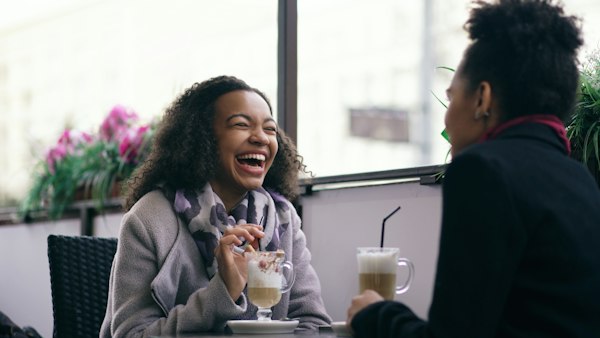
Melbourne spent longer in lockdown, cumulatively, than almost any other city in the world: well over 260 days across several stretches, by the time it was all added up. The restrictions eventually lifted, the cafes reopened, the five-kilometre radius disappeared from everyone's daily thinking. But for a lot of friendships, something about the rhythm never fully came back and years later, the gap is still there, quietly, in the group chats that went silent and the catch-ups that kept almost happening.
Isolation became a habit, not just a rule
For the better part of two years, staying home was the responsible thing to do, the caring thing to do, the thing good citizens did for each other. That's a long time for a nervous system to learn that distance equals safety and effort equals risk. When restrictions lifted, the rule disappeared, but the learned habit of staying in, not reaching out first and letting invitations lapse didn't disappear on the same timeline. Habits formed under genuine threat don't reverse just because the threat has passed.
Friendships that don't get maintained don't announce their ending
Nobody decided to end most of these friendships. There was no falling out, no unresolved conflict, no single moment anyone could point to. There was simply a long stretch where nothing was actively done to keep the connection alive and by the time restrictions lifted, both people had quietly built new routines that didn't include each other in the same way. Drift is a much more common cause of lost friendship than rupture. It just doesn't feel like anything happened, which makes it strangely harder to grieve.
Reaching out first can feel disproportionately hard
There's an odd asymmetry to reconnecting after this much time. The longer the silence has run, the more loaded a simple message starts to feel, as though texting someone after eighteen months requires an explanation, an apology, or a good enough reason. It rarely does. Most people on the other end of that silence are relieved to hear from you, not keeping score of who reached out last. The story that says otherwise is usually anxiety talking, not an accurate read of the friendship.
Grief is a reasonable response to a changed social world
It's fair to mourn a version of your social life that existed before 2020 and simply doesn't exist in the same shape now: different friend groups, less spontaneity, a smaller and more effortful circle than the one you had. That's a real loss worth naming, not a personal failing to be embarrassed about. Plenty of people are quietly carrying a similar gap, having assumed they were the only ones whose social world contracted and never fully reopened.
If Melbourne's long lockdown years left your friendships thinner than they used to be, that's not evidence you became harder to be around. It's what an extended, genuinely difficult chapter does to the muscles of connection. Those muscles can be rebuilt. It usually starts with one message, sent without waiting for the perfect amount of time to have passed.