Losing an Hour: Daylight Saving and the Mood Dip Nobody Talks About
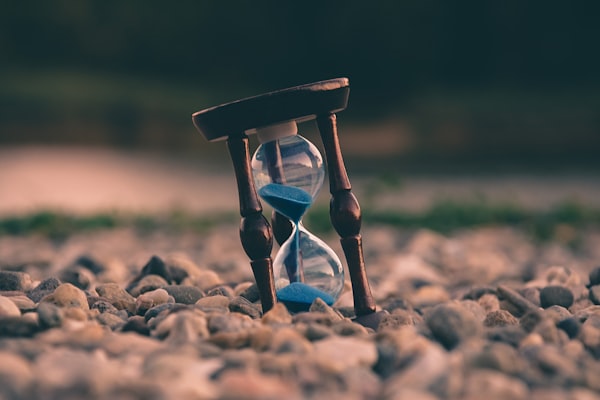
Clocks jump forward this weekend and an hour of sleep is gone. It's official, scheduled and somehow still disorienting every single year. It's easy to treat it as a minor inconvenience. For a lot of people, its effect lingers well past the one groggy Monday it's usually blamed for.
Your body doesn't read a calendar
Circadian rhythm, the internal clock that governs sleep, appetite and mood, doesn't reset the moment the clocks do. It takes days, sometimes longer, to catch up to a lost hour. Until it does, sleep is lighter, concentration is patchier and irritability sits closer to the surface than usual.
It compounds whatever else is already there
On its own, one lost hour is minor. Stacked on top of an already stressful week, a hard patch or low-grade anxiety, it can be the extra piece that tips things from "coping" into "barely holding it together." The clock change is rarely the real problem, but it's often the thing that makes the real problem harder to manage for a few days.
Spring's arrival adds its own pressure
Daylight saving coincides with the same "make the most of the season" energy. There's more daylight, an unspoken expectation to be more active, more social, more everything. Feeling flat or tired right when the calendar suggests you should feel energised can add a layer of self-criticism to what is, underneath it, sleep debt.
What actually helps
Shifting bedtime by small increments in the days before the change, rather than absorbing the full hour at once, softens the adjustment. So does treating the first week as a genuine transition rather than expecting yourself to function normally from day one. Patience with your own low energy this week is not indulgence. It's accurate.
If you're feeling unusually flat, foggy or on edge this week, there's a reasonable physiological explanation for at least some of it. It usually passes. If it doesn't, if the flatness persists well past the adjustment, that's worth a conversation.